
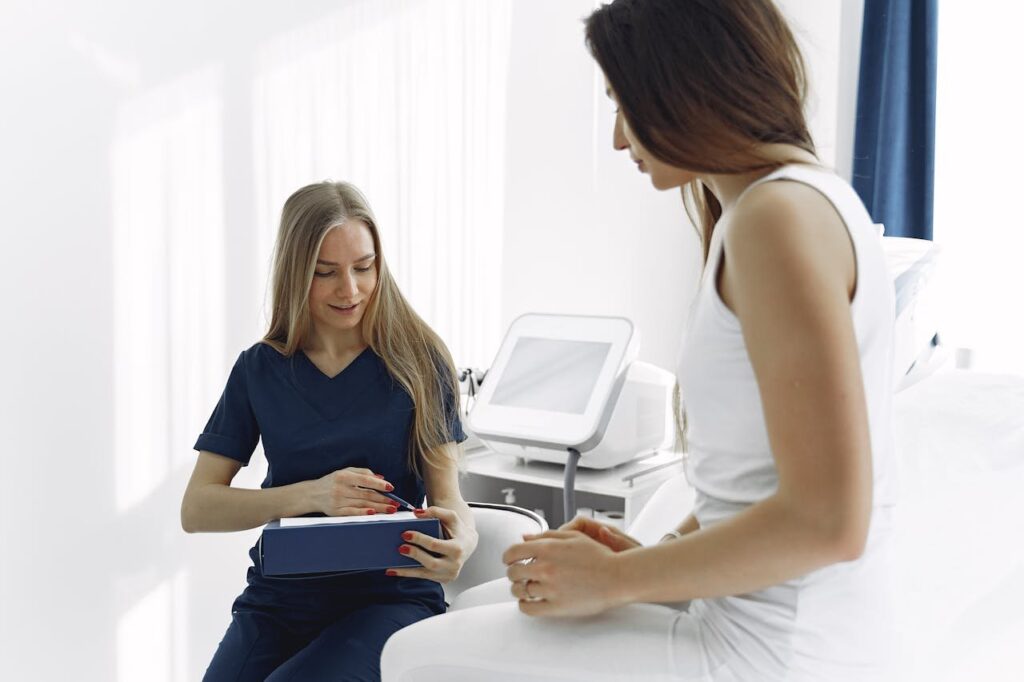
In today’s fast-paced healthcare system, many patients feel rushed, unheard, or treated like a number. Appointments are often short, conversations feel surface-level, and care can feel reactive instead of proactive. This is where personalized primary care makes a meaningful difference.
Personalized primary care focuses on treating the individual, not just the condition. Instead of applying the same approach to every patient, your physician takes the time to understand your medical history, lifestyle, goals, and concerns. This deeper understanding allows care to be tailored specifically to you — leading to better outcomes and a more positive healthcare experience.
One of the most important benefits of personalized primary care is continuity. When you see the same provider consistently, they gain insight into patterns in your health over time. Small changes that might otherwise be overlooked can be identified early, allowing for intervention before problems become more serious. Continuity also builds trust, which encourages open communication and shared decision-making.
Another key advantage is time. Personalized primary care prioritizes meaningful visits over rushed appointments. Having adequate time with your provider allows for thorough discussions about symptoms, medications, preventative care, and lifestyle factors that impact your health. Patients leave visits feeling informed, confident, and supported — not confused or dismissed.
Preventative care is also a cornerstone of personalized primary care. Rather than waiting for illness to occur, your physician works with you to reduce risks through screenings, wellness visits, and lifestyle guidance. This proactive approach can help prevent chronic conditions, improve long-term health, and reduce the need for emergency or urgent care.
Personalized care also empowers patients. When you understand your health and are involved in decisions, you’re more likely to follow treatment plans and make sustainable lifestyle changes. Healthcare becomes a partnership instead of a one-sided conversation.
Ultimately, personalized primary care creates a better experience for patients and providers alike. It fosters trust, improves communication, and supports long-term wellness rather than short-term fixes. For patients seeking care that feels thoughtful, attentive, and human, personalized primary care truly makes a difference.